
The Ultimate UK Used Car Checklist: What to Verify Before You Pay
Read about The Ultimate UK Used Car Checklist: What to Verify Before You Pay on chatMOT
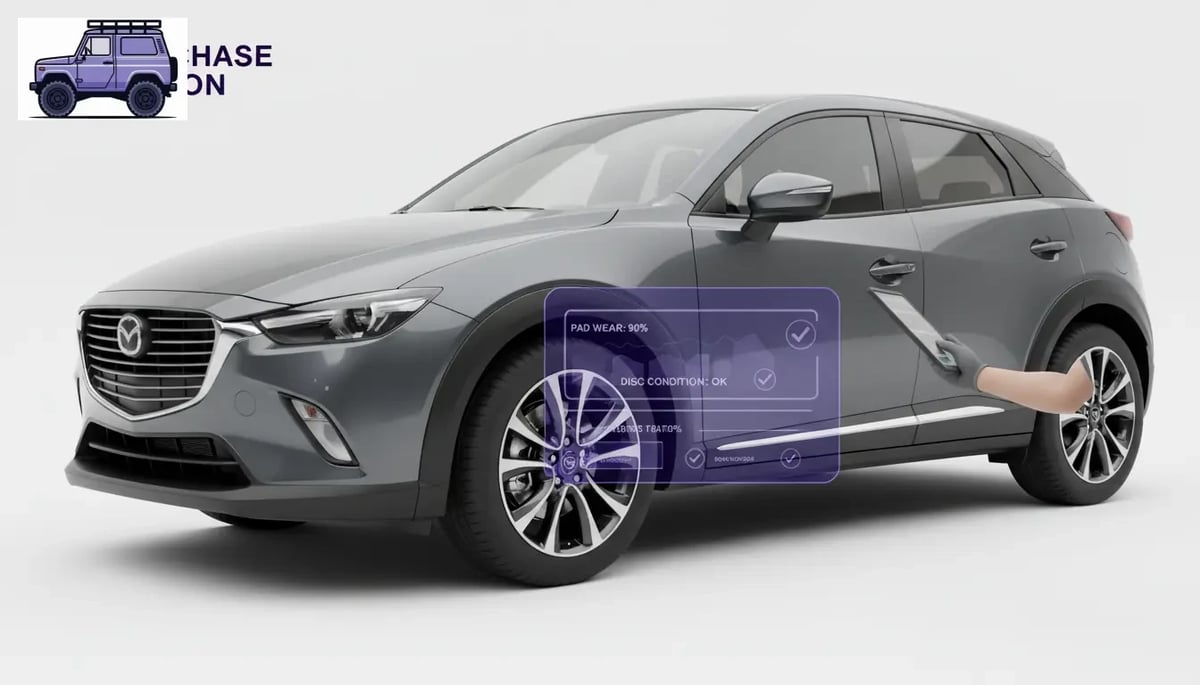
The appeal of saving thousands on a used car is undeniable, yet it often masks significant risks. Research consistently reveals that many pre-owned vehicles harbor undisclosed issues, from outstanding finance to hidden accident damage, turning what seems like a smart purchase into an expensive problem.
This comprehensive, step-by-step checklist is your most powerful defense, empowering UK buyers to spot red flags, verify a car's history, and conduct a thorough inspection before you pay. Our mission is to ensure you drive away with a reliable vehicle and avoid costly buyer's remorse.
The Paper Trail: Your First Line of Defense
Before you even consider lifting the bonnet or getting behind the wheel, a car's documentation offers your initial, and often most critical, insights. This isn't just a formality; it's your primary defense against legal headaches, hidden histories, and potential financial pitfalls. A car s documented history is the most reliable and objective indicator of its true condition and legality. Without solid paperwork, every other assessment carries significant risk.
Your journey begins with the V5C logbook, the vehicle's registration certificate. This document serves as legal proof of ownership and is your crucial starting point.
- Verify the V5C Logbook: Ensure the seller s name and address precisely match those on the V5C. A mismatch, or a seller claiming they re selling for a friend, is a major red flag that should prompt you to walk away immediately. This step confirms the car is legitimately theirs to sell.
Next, delve into the vehicle's maintenance and historical data, much of which is publicly available.
- Check the MOT History Online: The DVLA provides a free online service where you can review a car's entire MOT history. Look for consistent mileage readings; discrepancies could indicate odometer rollback or 'clocking'. Pay close attention to recurring advisories that were never fixed, as these often point to neglect or impending repairs. Repeated failures on similar components also paint a clear picture of persistent issues.
A comprehensive check is non-negotiable for both peace of mind and financial security.
- Run a Comprehensive HPI Check: This paid service is vital. It reveals outstanding finance agreements that could leave you liable, flags if the car has been reported stolen, or if it's been declared an insurance write-off. An HPI Check is a prerequisite for any used car purchase not only can it protect you from buying a car with hidden issues, but it can also reveal if the seller is attempting to scam you.
Note: Skipping an HPI check exposes you to significant legal and financial risks, including losing the car if it's repossessed due to outstanding finance.
Finally, assess how well the car has been looked after.
- Review the Service History: A complete service book with stamps from reputable garages, or a comprehensive collection of invoices, demonstrates a well-maintained vehicle. Gaps in the service history, especially for critical intervals, should be questioned thoroughly. It s an objective measure of how much care has been invested in the car.
The most important thing to check before buying a used car? The paperwork. If the legal side doesn t add up, nothing else matters. This meticulous documentary review empowers you to walk away from fundamentally flawed vehicles, saving you time and potential financial distress. A thorough review of all documentation provides an unshakeable foundation for your purchase decision.
The Walkaround: A Detailed Physical Inspection
With the paperwork verified, your next step is to perform a detailed physical inspection of the vehicle itself. This thorough examination reveals the car's true story, often exposing hidden neglect or accident damage that documents alone cannot show. This systematic approach allows you to identify signs of wear, damage, or neglect that might otherwise go unnoticed.
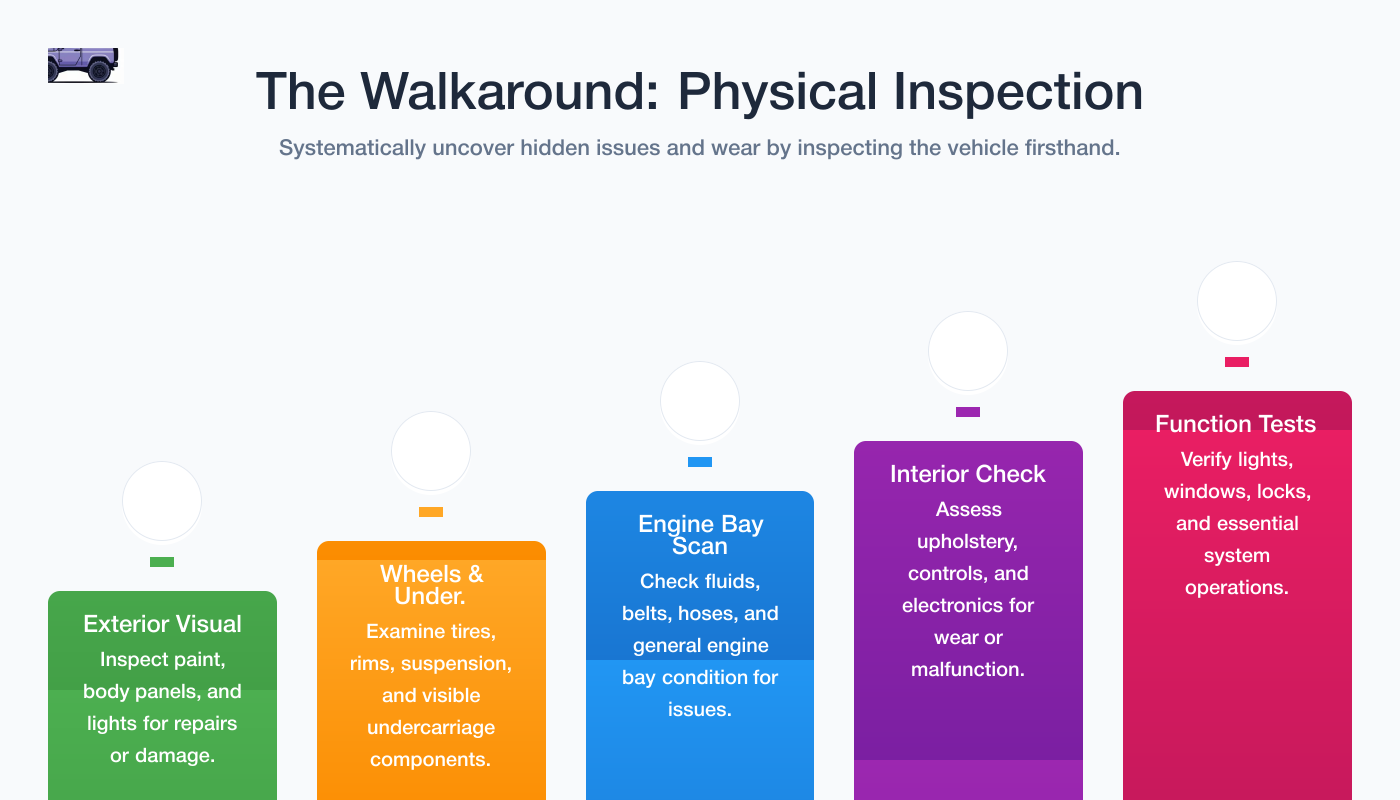
Begin with the exterior, focusing on clues that might suggest past repairs or neglect.
Exterior Assessment
- Paintwork and Panels: Look for mismatched paint colours, particularly on adjacent panels, which strongly suggest accident repairs. Run your hand over the bodywork to feel for uneven panel gaps or rippled surfaces, especially around headlights and bumpers.
- Rust: Inspect common rust spots: wheel arches, sills, and under the doors. Minor surface rust might be manageable, but extensive corrosion indicates serious structural issues.
- Tyres: Check the tread depth on all four tyres; it must be above the 1.6mm legal minimum. Look for even wear across the tyre surface uneven wear can point to alignment or suspension problems. Don t forget to check the spare tyre, if applicable.
Moving inside, the interior condition often reflects overall maintenance. The condition of a car s interior usually reflects how well it s been maintained overall.
Interior Inspection
- Dashboard and Electronics: On startup, ensure all dashboard warning lights illuminate briefly and then extinguish, indicating they are functional and no fault is present. Test every button, switch, and electronic feature from the windows and mirrors to the radio and air conditioning.
- Smells and Dampness: Be wary of musty smells, which often signal water leaks. Similarly, strong air fresheners might be used to mask unpleasant odours like dampness, stale smoke, or burning oil.
- Wear and Tear: Check the upholstery for rips, tears, or excessive wear. Examine the steering wheel, pedals, and gear knob for signs of heavy use, which might contradict a low mileage reading.
Finally, an under-the-bonnet inspection provides critical insights into the car's mechanical health.
Under the Bonnet
- Fluid Levels and Condition: Check the engine oil; it should be an amber colour, not milky (which can indicate a coolant leak) or sludgy. Also, inspect the coolant and brake fluid levels.
- Leaks and Hoses: Look for any visible fluid leaks around the engine, gearbox, or under the car. Inspect hoses for cracks, bulges, or perishing, which can lead to future failures.
- Battery Terminals: Check for corrosion on the battery terminals, which suggests poor maintenance or an old battery.
- Engine Cleanliness: Be wary of an overly-clean-looking engine bay. It could be a sign of a seller who s trying to mask potential issues like oil leaks with a recent steam clean.
This meticulous walkaround offers tangible evidence of a car's condition, providing invaluable data points that complement its documented history. A thorough physical inspection empowers you to uncover concerning issues before they become your problems.
The Test Drive: Assessing Real-World Performance
After scrutinizing the paperwork and conducting a static physical inspection, the test drive is your final and most dynamic evaluation. This is where the car truly speaks for itself, revealing how it performs under real-world conditions. It's your only chance to feel how the car truly performs, uncovering dynamic issues that a static inspection cannot. Never buy a used car without taking it for a test drive.
Your assessment should begin even before you pull away from the curb.
Pre-Drive and Startup
- Engine Start (from cold): If possible, arrange to see the car when the engine is cold. A cold start makes it easier to spot issues like rough idling, excessive exhaust smoke (blue for oil, white for coolant), or unusual startup rattles that might disappear once the engine warms up.
- Dashboard Check: Confirm all dashboard warning lights illuminate and then extinguish after starting, as you did during the interior inspection.
Once on the road, pay close attention to the car's behaviour across various scenarios.
On the Road Performance
- Variety of Roads: Drive on a range of roads, including city streets (for low-speed handling), A-roads, and if possible, a motorway (to test at higher speeds). This allows you to assess the car's performance across different conditions.
- Listen for Noises:
- Suspension: Listen for knocking, clunking, or squeaking noises when driving over bumps or uneven surfaces, which could indicate worn suspension components.
- Brakes: Grinding noises when braking suggest worn pads or discs. A squealing sound might also indicate worn components.
- Engine/Transmission: Pay attention to any unusual hums, whistles, or whines from the engine bay or transmission.
- Steering: The steering should feel direct and responsive, with no excessive play. The car should track straight on a flat road without pulling to one side. Feel for any vibrations through the steering wheel.
- Clutch and Gearbox (Manual): For manual cars, the clutch biting point should feel natural and consistent, without any slipping or juddering. Gear changes should be smooth and easy, without resistance or crunching.
- Gearbox (Automatic): For automatics, observe how smoothly the gears change. There should be no harsh jerks or delayed shifts. Reddit users report noticing shaking and hard shifts immediately, issues that were signs of a major transmission failure which the seller's '150-point inspection' missed.
- Brakes: Test the brakes gently, then more firmly in a safe area. The car should stop in a straight line, without pulling to one side. There shouldn't be excessive nose-dive when braking hard, and the pedal should feel firm.
After your drive, perform one last check.
Post-Drive Check
- Re-check for Leaks: Park the car on a clean, dry surface and check underneath for any fresh fluid leaks that might have appeared after running the engine.
The test drive integrates all your observations into a holistic understanding of the vehicle s health and performance, confirming if it truly meets your expectations. The test drive offers invaluable real-world data that static checks simply cannot provide.
Advanced Diagnostics: Seeing What the Eye Can't
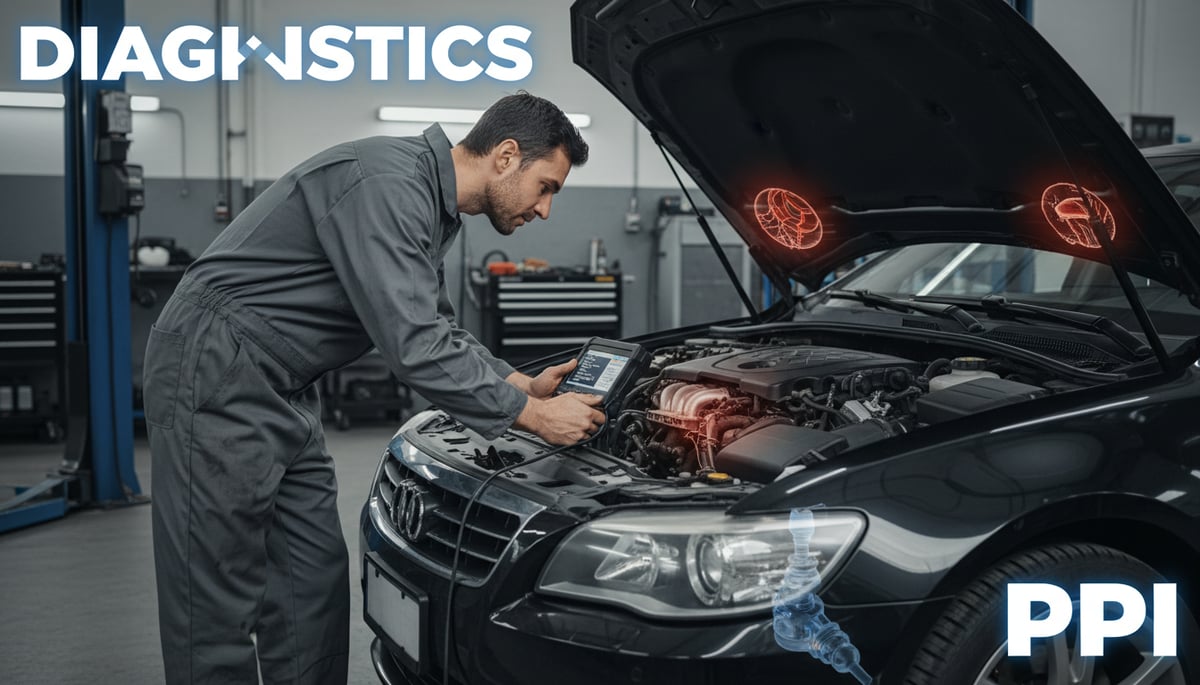
Even the keenest eye can miss what lies beneath the surface of a used car. While a visual inspection is always a solid start, modern vehicles hide a wealth of information that's only accessible through technology. This is where advanced diagnostics become your most powerful ally, revealing potential issues long before they become visible problems or costly repairs.
One invaluable tool is an OBD-II scanner. These devices plug directly into the car's diagnostic port and can do far more than just light up your dashboard. They detect 'pending' fault codes, for instance, which are early warnings of problems that haven't yet triggered a check engine light. A professional mechanic might plug in a diagnostic tool and find no active check engine light, yet uncover these pending codes.
Beyond codes, a scanner's live data function offers a window into the car's real-time performance. For example, monitoring coolant temperature could reveal a thermostat that is slow to warm up, indicating cooling system wear even when the car seems to run normally. As research shows, small issues often show up in data long before they turn into expensive repairs.
While a scanner is powerful, it can't physically inspect the vehicle's structural integrity. This is precisely why hiring a professional for an independent Pre-Purchase Inspection (PPI) is paramount. A skilled mechanic can put the car on a lift, providing an unobstructed view of the underside. This allows them to inspect for critical issues like chassis damage, rust that could compromise safety, or shoddy repairs from past accidents. A professional inspection can flag hidden issues you might miss, making their expertise invaluable (RAC, 2023).
A PPI provides an unbiased, expert opinion, confirming the car's true condition. This detailed report arms you with crucial information for negotiation, potentially saving you thousands, and offers peace of mind for your final decision. You re not just buying a car; you're buying assurance. Leveraging diagnostic technology and professional expertise uncovers problems that are invisible to even a careful amateur, providing ultimate peace of mind.
Final Verification: Sealing the Deal Safely
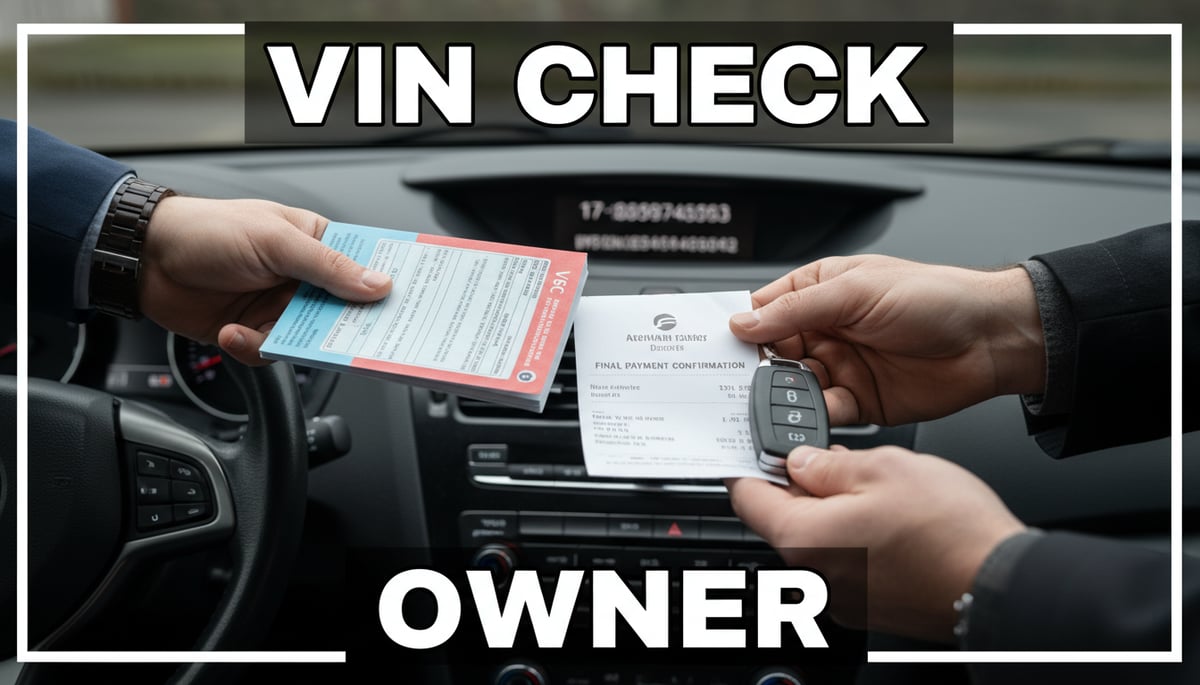
After thorough checks and inspections, the final stage the point of purchase demands meticulous attention. These concluding steps are crucial for securing your investment, verifying identity, and ensuring the entire transaction is legally sound. Overlooking them can lead to significant complications down the road.
First, confirm the Vehicle Identification Number (VIN). This unique identifier is found on the car's dashboard (visible through the windscreen) and typically on a sticker in the driver's side door frame. Critically, this VIN must match the one printed on the V5C logbook, the vehicle's registration certificate. As the DVLA advises, any mismatch could mean the car has been cloned or stolen, making this a non-negotiable check (DVLA, 2024).
If you are buying from a dealer, clarity on warranties is essential. Get the full terms of any warranty or guarantee in writing, detailing precisely what is and isn't covered. Never assume; understanding the specifics now can prevent disputes later. For private sales, remember it's often 'buyer beware', so your pre-purchase checks are even more critical.
When it comes to payment, especially for private sales, exercise caution with cash. Never hand over the full amount without receiving a detailed written receipt. This document should clearly state the date, the price paid, the vehicle's make, model, and registration, and crucially, the seller's full name and address. This serves as your vital proof of purchase.
Finally, before you drive away, ensure the 'new keeper' section of the V5C logbook is completed correctly. While the seller is responsible for sending the V5C to the DVLA, you should verify it's filled out accurately and, if possible, get confirmation they have posted it. You must also tax the vehicle immediately after purchase via the DVLA website, as driving an untaxed car is illegal. The final moments of the transaction are critical for verifying identity, finalising terms, and creating a legal record that protects you as the new owner.
Frequently Asked Questions
Navigating the used car market can present several common questions. Here are quick, clear answers to help you proceed with confidence, addressing key legalities and practicalities.
- What documents are essential when buying a used car in the UK?
You will need to ensure the seller provides the V5C logbook (registration document), a current MOT certificate, and ideally, a comprehensive service history. For yourself, you will need your driving licence and proof of insurance to legally drive the car away. - How can I check if a car has outstanding finance?
The most reliable way is to use a third-party vehicle history service, such as an HPI check. This tells you if the car is on finance, stolen, or has been written off (HPI Check, 2024). This is vital to avoid buying a car that legally belongs to a finance company. - Can I return a used car if I find a problem after purchase?
This depends significantly on where you bought the car. If you buy from a dealer, you usually have consumer rights under the Consumer Rights Act (2015), which provides protections if the car isn't of satisfactory quality or fit for purpose. However, private sales are almost always "buyer beware" (sold 'as seen'), making robust pre-purchase checks even more important.
Addressing common uncertainties head-on provides buyers with the final pieces of information they need to proceed with confidence.
Navigating the used car market requires diligence and a strategic approach. This comprehensive checklist has equipped you with the tools to meticulously evaluate any potential purchase, transforming a potentially daunting experience into a confident, informed decision. By systematically verifying crucial details, you actively shield yourself from costly hidden issues and buyer's remorse.
To recap, your ultimate defense against unforeseen problems hinges on three critical pillars:
- Prioritize a detailed history check, verifying finance, accident status, and service records to unearth potential red flags and ensure legal ownership.
- Perform a comprehensive physical inspection, including advanced diagnostics, to detect undisclosed mechanical or structural issues that might not be visible to the untrained eye.
- Conduct an extensive test drive across various road conditions to confirm the vehicle's real-world performance, handling, and overall reliability.
While the process demands time and attention, the rewards of a reliable vehicle far outweigh the initial effort. Making a truly informed purchase is not just about finding a good deal; it's about securing your long-term satisfaction.
To streamline this vital process and ensure every detail is accounted for, leverage robust data platforms like ChatMOT that consolidate official vehicle information. Making data-driven decisions from comprehensive reports is your most effective strategy, ultimately delivering genuine peace of mind with your next used car purchase.
Tags
Related Articles

Beyond Sunscreen: A Practical Guide to Sun-Protective Clothing

Founder-Led Marketing: A Scalable System for Turning Trust into Revenue